Chapter 3 of 4
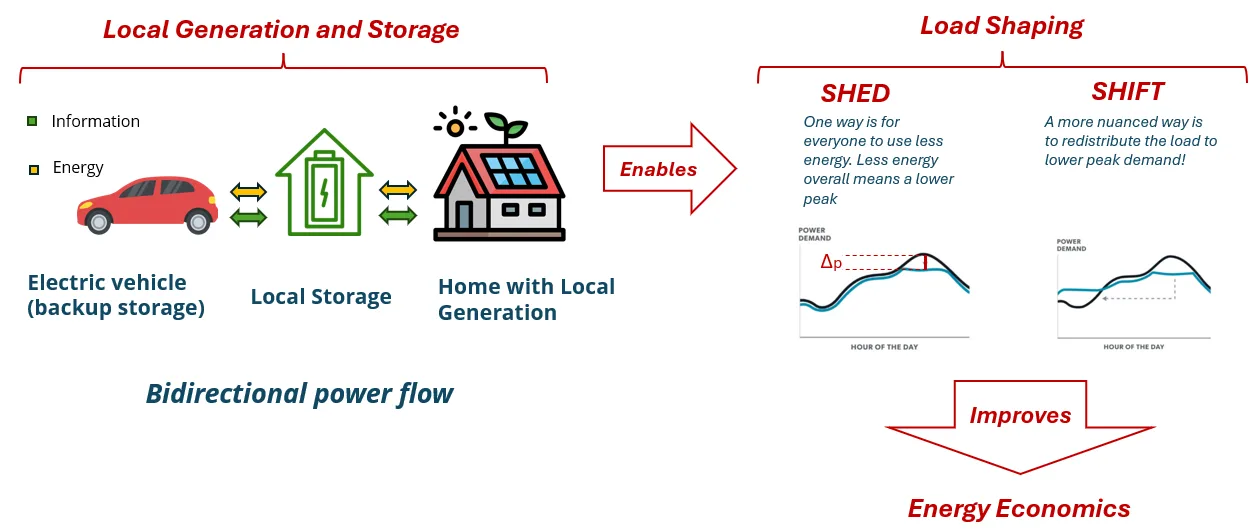
Local generation and storage
Local generation
Atlanta gets about 5.2 hours of peak sunlight a day on average.
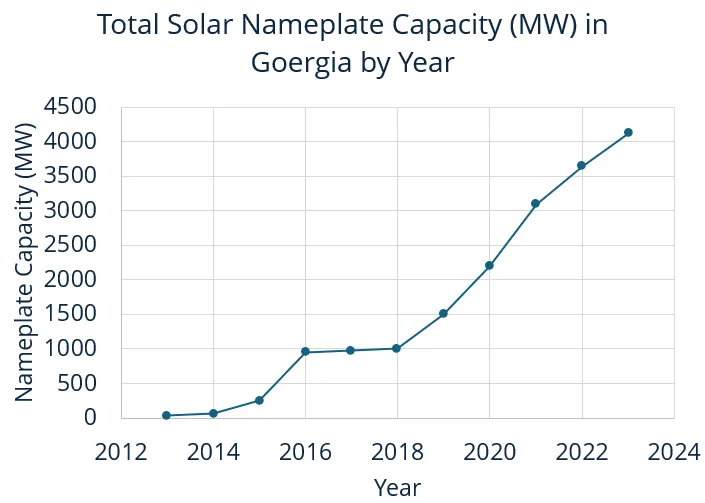
Rooftop solar potential across the region is estimated at 4,800 MW, with more room for ground-mounted systems, solar parking canopies and community solar gardens.
Storage and EVs
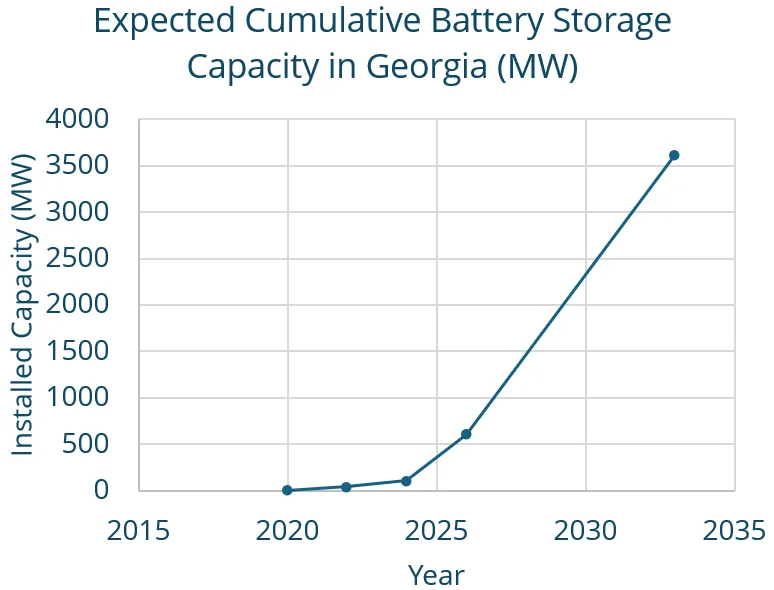
Batteries are increasingly installed alongside solar and at key points on the grid. They shave peaks, keep the lights on during outages, and shift solar power into the evening when demand is high.
More electric vehicles now support two-way charging, so their batteries can power a home or building in an emergency.
Why it's needed
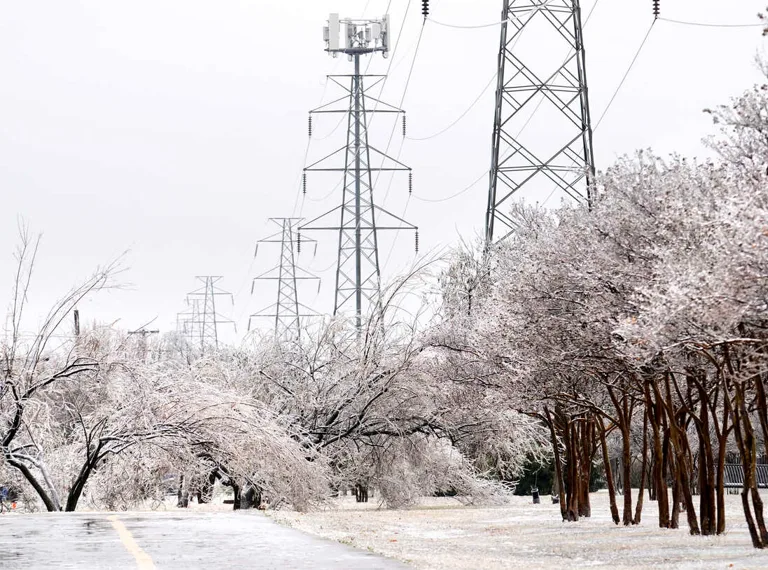
Local generation and storage can soften weather-related outages that hit millions of customers, especially in large metro areas like Atlanta. These disruptions are becoming more common as the climate changes.
What Georgia is already doing
Georgia has been investing in battery storage and solar generation for the past five to ten years, along with technology like two-way power flows that makes decentralized energy more flexible.
Flexible energy management