Chapter 1 of 4
Where Atlanta's electricity comes from, and where it could go
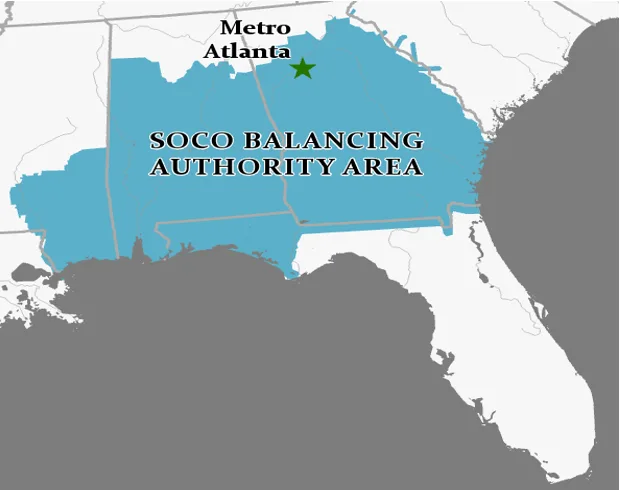
Atlanta's energyshed is every source of electricity that powers the region's homes, businesses and transit: rooftop solar, distant power plants, and the wires that tie them together across several states.
A summer day on the grid
Supply and demand
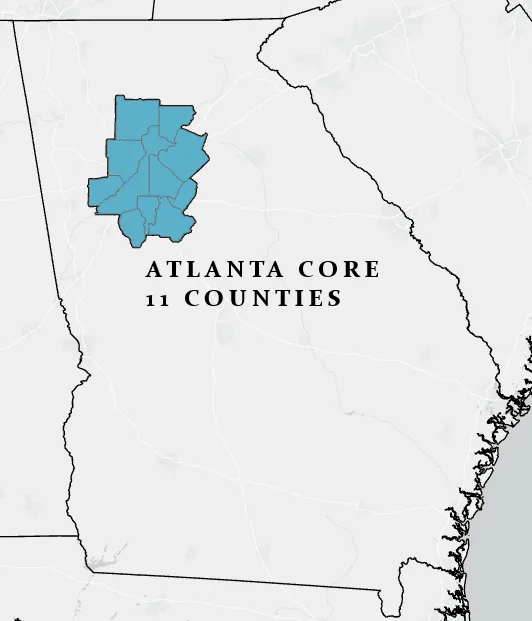
Like most dense urban areas, metro Atlanta is a consumption island. Its demand is met by a supply network that stretches far beyond city limits, with power plants, transmission lines and fuel sources spread across multiple states.
That's why the region's energy resilience, prices and environmental footprint only make sense in this broader context.
How power reaches you
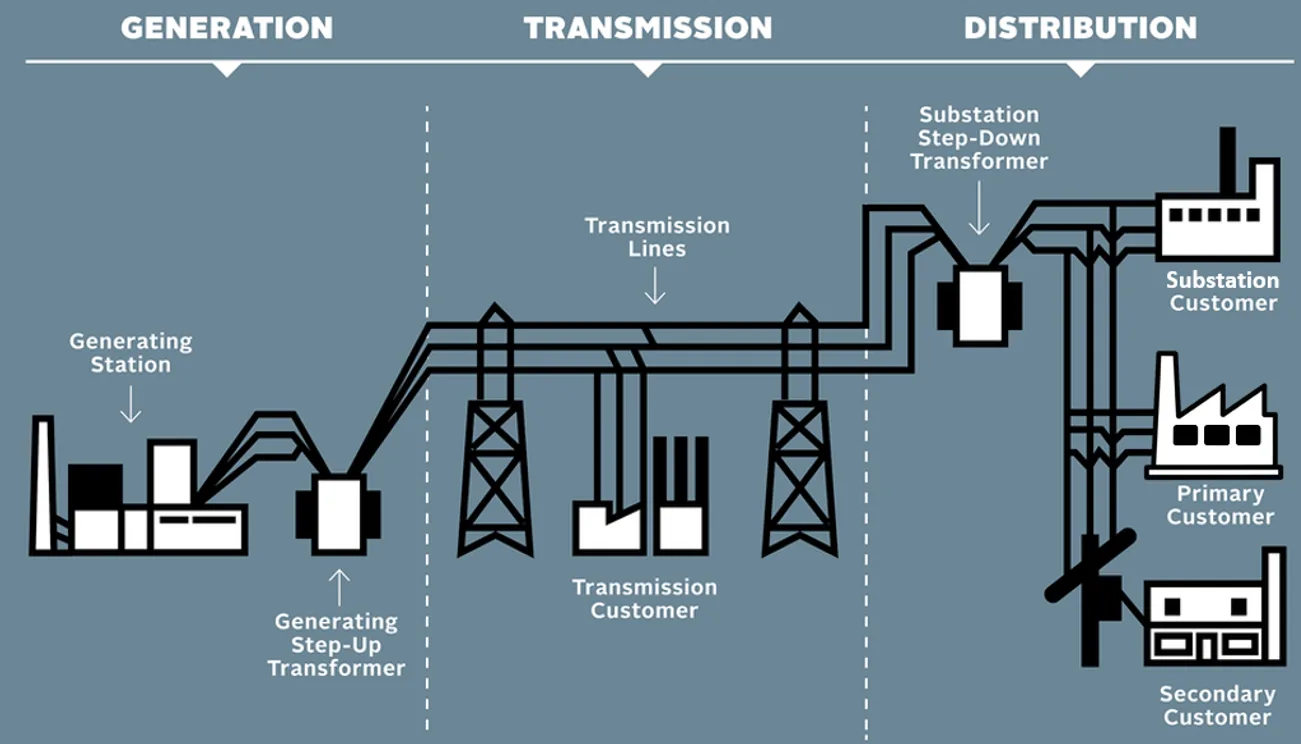
Electricity flows from high-voltage generation and transmission lines through a spiderweb of distribution lines to your outlet. Each step along the way loses a little more power.
Large customers take on more of that system themselves. Substation customers, such as Electric Membership Corporations, and primary customers, such as large factories, maintain their own distribution equipment. Homes and small buildings get end-to-end service, including upkeep and repairs, from the utility. That's one reason different customers pay under different pricing models.
How it's changing
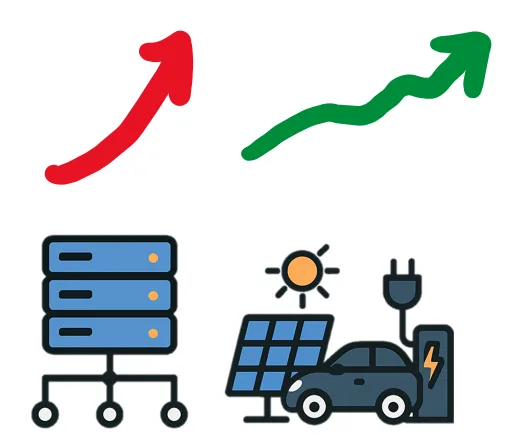
The region is at a turning point. Population growth and new development are making energy needs more complex, while new technology is changing both how much power we use and where it comes from.
Energy-hungry data centers are arriving fast. Grid equipment is ageing. Existing homes and offices need retrofits to use energy well. Managing peak demand and electrifying buildings are both a challenge and an opportunity for a more resilient system.
Three levers this tool explores
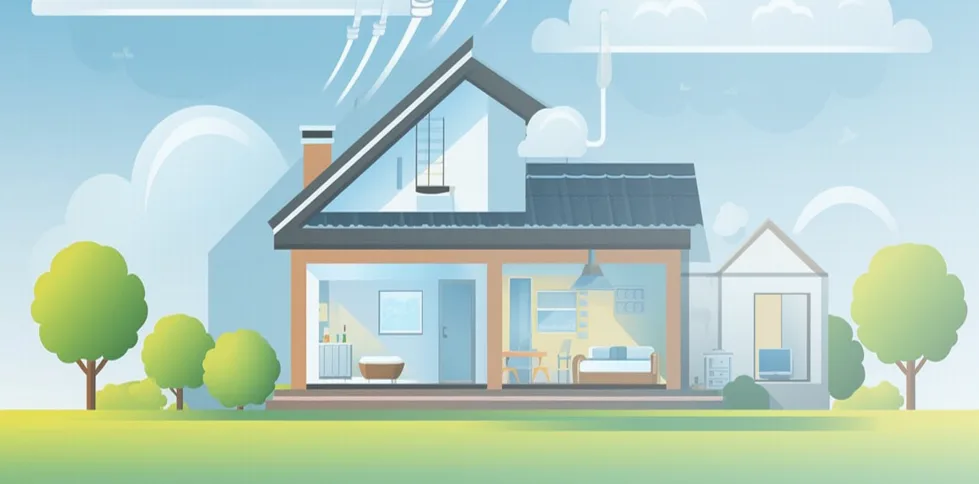
Energy efficiency
Heat pumps can cut heating and cooling energy by up to half. Better insulation, air sealing and windows stop waste and make homes more comfortable.
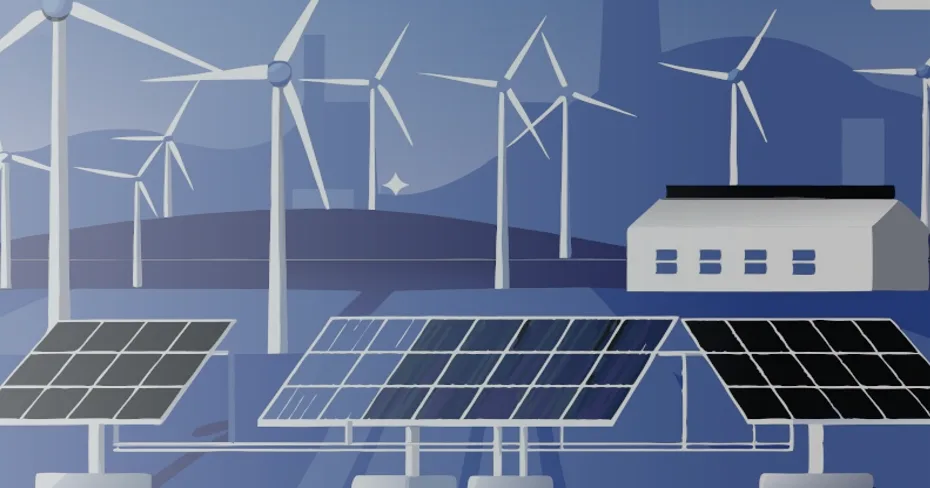
Local generation and storage
Rooftop solar makes clean power on site. Batteries save it for the evening or an outage, and electric vehicles with two-way charging can do the same.
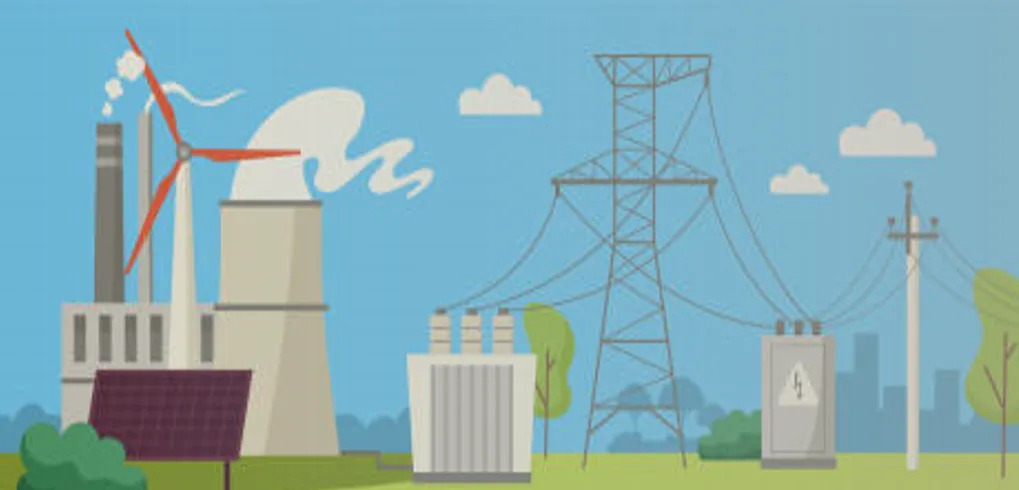
The grid itself
Instead of one-way delivery from big plants, the grid now has to handle power flowing both ways from solar, batteries and vehicles, while data centers add new load.