Chapter 2 of 4
Energy efficiency
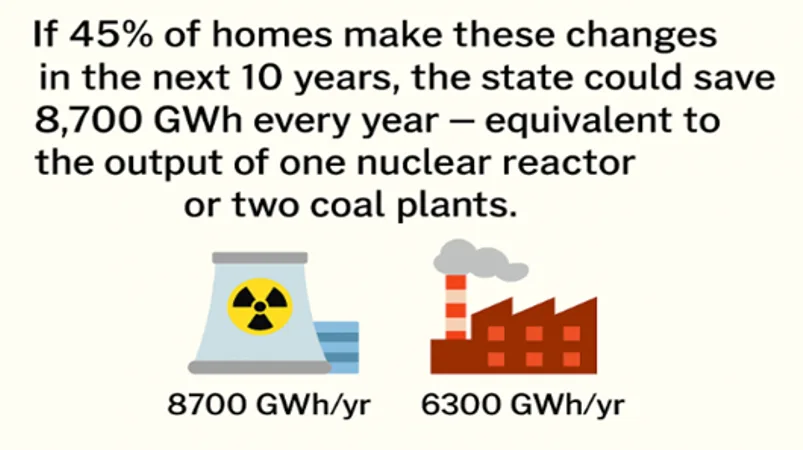
Many older homes lose energy through poor insulation and outdated systems, and these can be fixed. Adding insulation, sealing leaks and installing heat pumps make homes far more efficient. Those upgrades lower bills, ease demand on the grid and cut greenhouse gas emissions, in line with Atlanta's sustainability goals.
The housing envelope
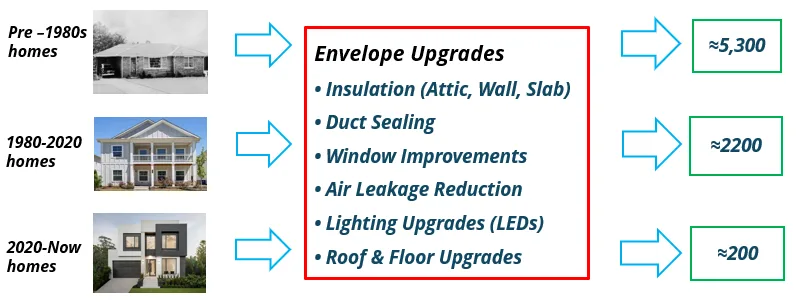
The envelope is your home's outer shell: walls, roof, windows, floor and foundation. It controls how much heat, air and moisture get in or out. A poorly insulated or leaky envelope means higher bills and a less comfortable home.
Adding insulation, sealing air leaks and improving the attic can cut household energy use by about 20 to 30 percent in Atlanta homes.
Heat pumps
Heat pumps move heat instead of making it. In winter they pull heat in from the outside air; in summer they pump it out of your home.
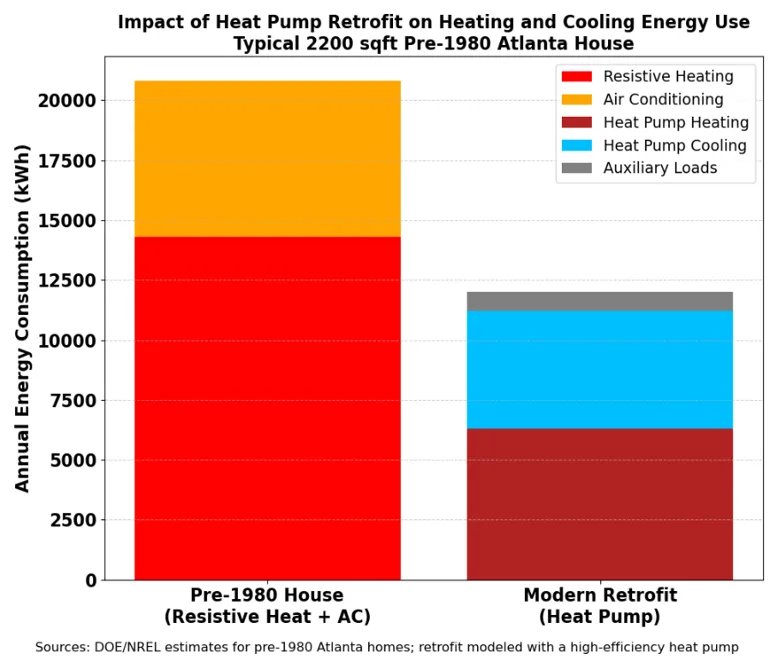
They're 2.5 to 4 times more efficient than gas furnaces or electric resistance heaters, and Atlanta's mild winters suit them well year-round. Replacing an older system with a heat pump can cut heating energy by up to half.
Why upgrades matter together
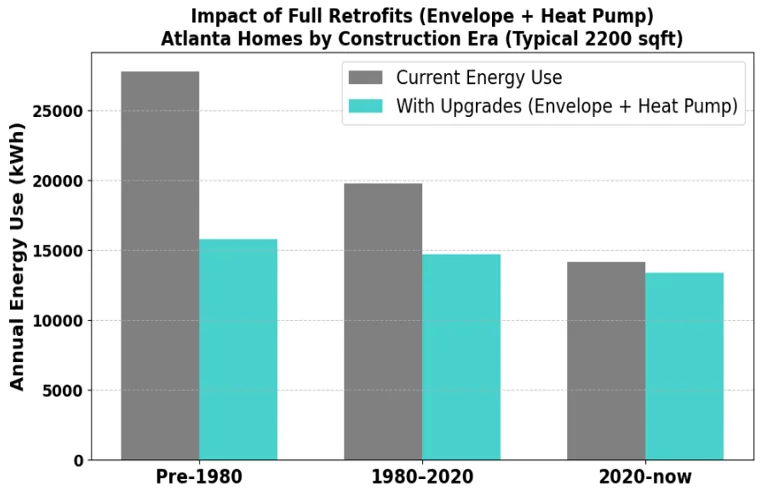
Older homes waste energy through poor insulation, air leaks and outdated equipment. Upgrading the envelope and switching to a heat pump together can nearly halve energy use and significantly reduce carbon emissions.
What you save
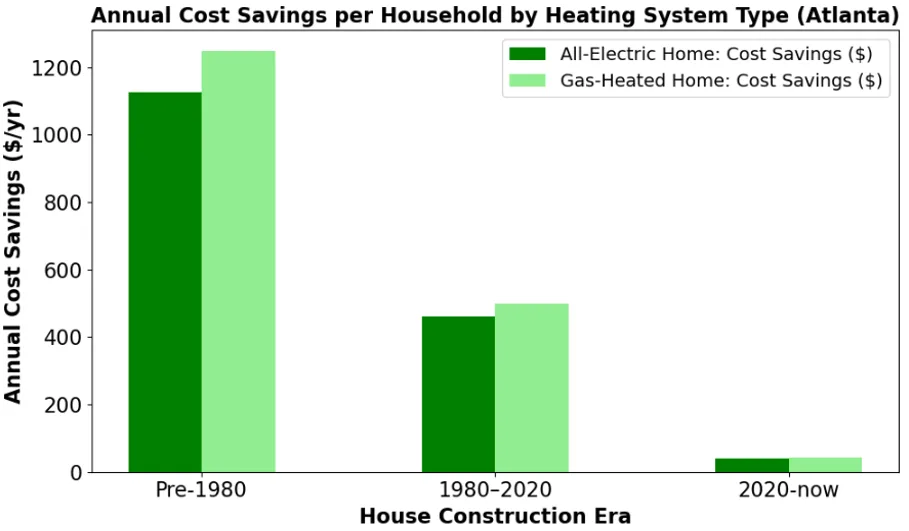
Better insulation, smarter heating and efficient appliances use less electricity and gas, lowering bills by hundreds of dollars a year.
Both all-electric and gas-heated homes benefit, especially older ones. The same upgrades also make homes healthier and more comfortable.
Sources: DOE, EIA, Southface, NREL, ENERGY STAR and Georgia Power data estimates.