Data centers arrive
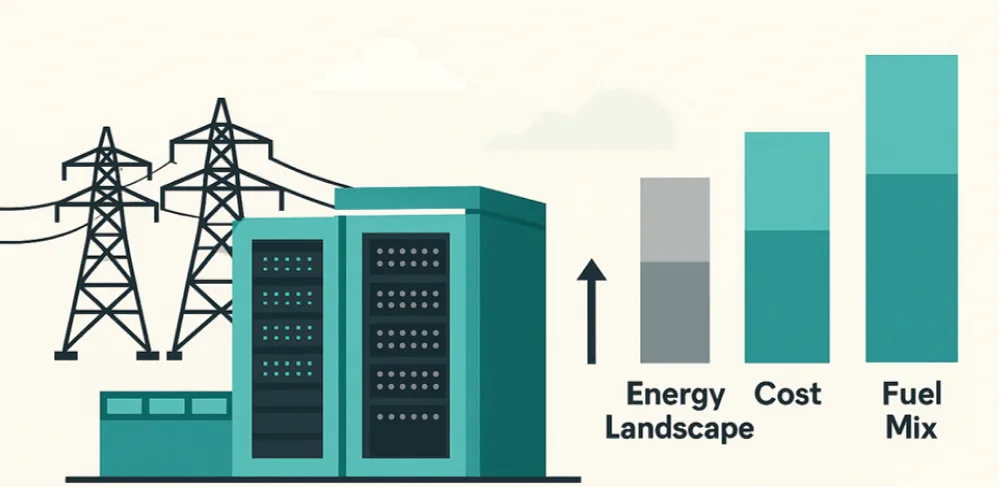
How much energy data centers need, and how the fuel mix and cost shift as the grid absorbs the new load.
Higher cost
Chapter 4 of 4

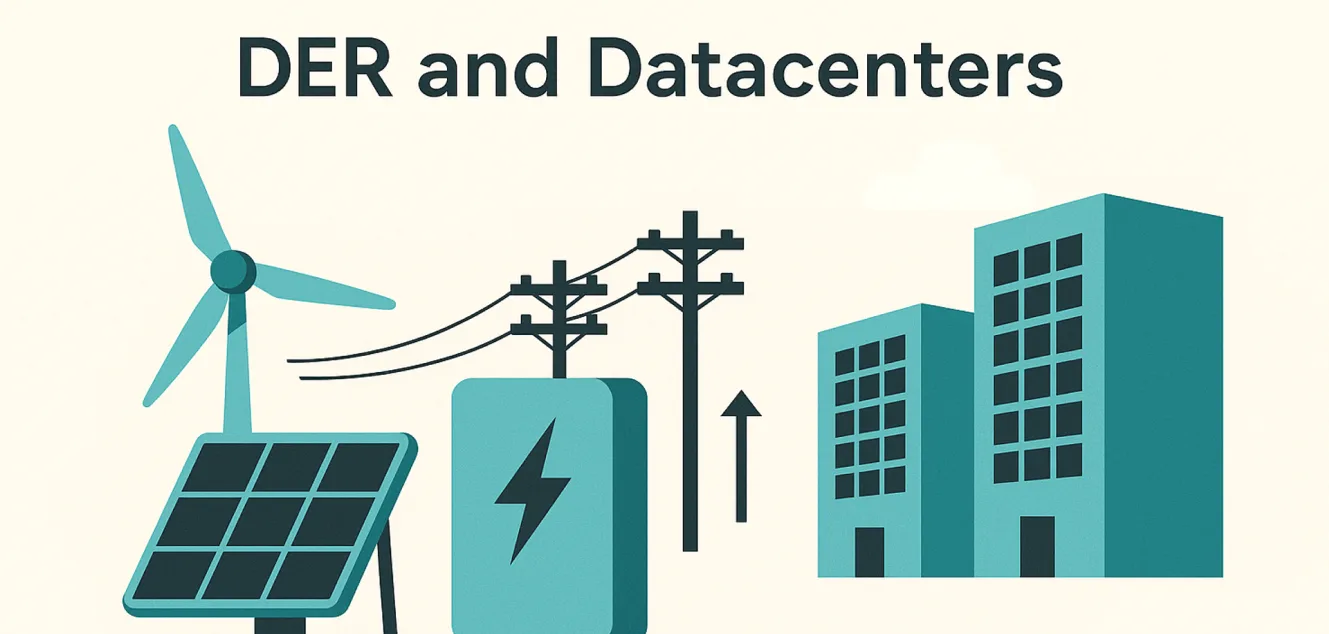
Data centers need enormous amounts of electricity with exceptional reliability. Each behaves like a small town on the grid. More EVs and continued residential and commercial growth add further strain.

Rooftop solar output rises and falls with the weather and time of day. EV charging creates sudden spikes, and batteries can both draw and supply power. Keeping the grid stable takes better forecasting, controls and market rules.

Today's infrastructure wasn't designed for power flowing both ways, which causes voltage problems and overheating. Substations, transformers and control systems need major upgrades to handle distributed energy safely.
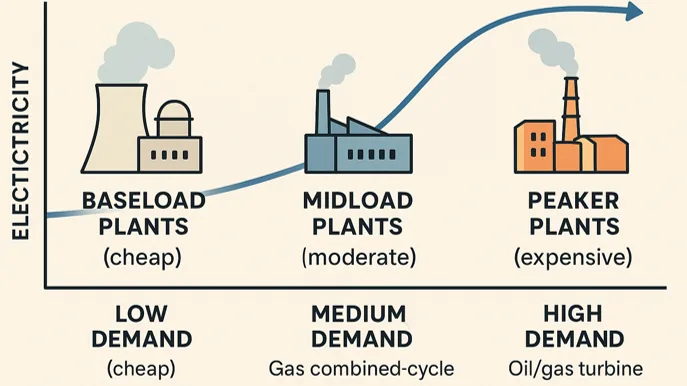
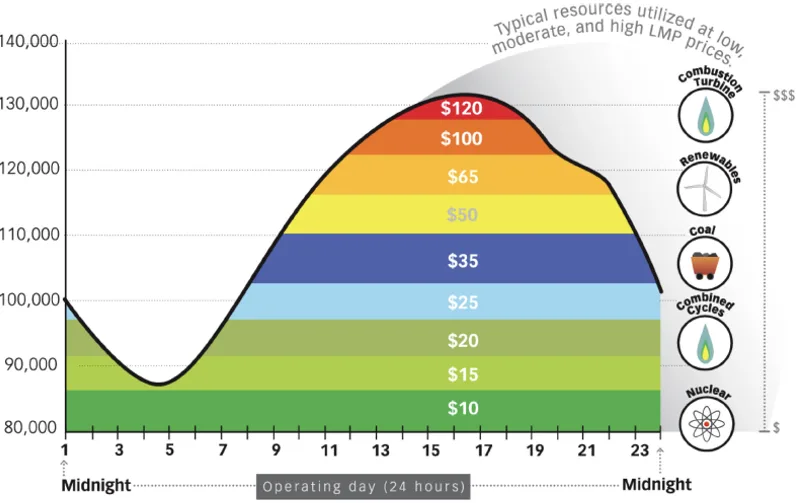
What electricity costs depends on which plants are running. When demand is low, cheap, steady baseload plants such as nuclear cover most of it. As demand rises, mid-cost gas combined-cycle plants join in. On very hot or cold days, expensive peaker plants cover the top of the curve, and prices climb. The more we rely on those costly plants, the more customers end up paying.
Surging demand, irregular use and ageing equipment are real challenges, but they're manageable. The same forces adding complexity, from grid modernization to distributed energy, also point the way to a more resilient, flexible and sustainable grid.
Coordinated EV charging, flexible demand and grid-integrated distributed energy can turn potential strain into a resource. Reliability doesn't have to be traded for sustainability; done well, each strengthens the other.
How much energy data centers need, and how the fuel mix and cost shift as the grid absorbs the new load.
Higher cost
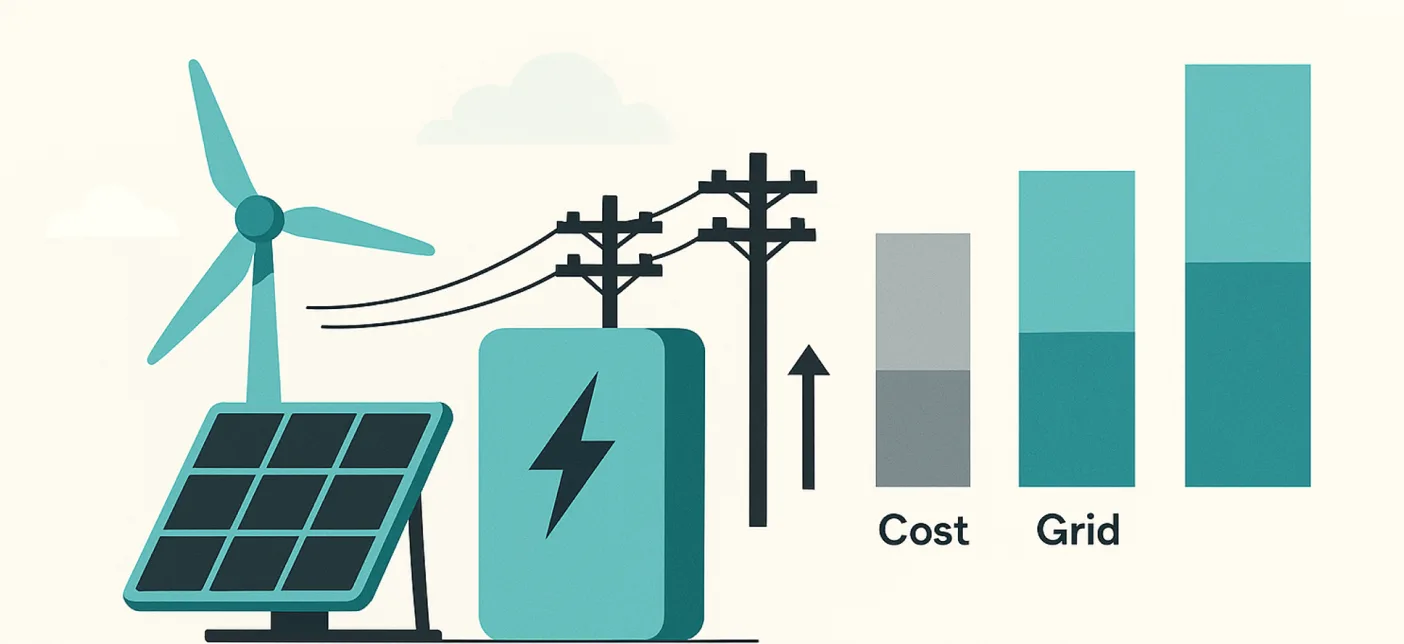
Distributed energy cuts daytime demand sharply, but leans harder on plants that can ramp quickly, like gas and coal.
Lower cost
How demand, cost and emissions change when data centers and distributed energy grow together.
Affordable cost
These cost outcomes are mock-ups for demonstration, not model output.